
KosherScan
Ephraim HammerShopping
4.47.00 Reviews
- Version
- 1.9.7
- Installs
- 50.00K
- Age Rating
- Teen
Screenshots
Our Review of KosherScan
 Analysis by Appyee
I like the idea behind KosherScan: instead of trying to interpret a package while blocking the aisle, I can use a shopping app to check a product and seek guidance about whether it fits my kosher needs. That makes it most appealing as a practical aid for people who already shop with kosher requirements in mind, rather than as a general grocery bargain finder. Its most useful role is to help with a question that comes up at the point of choice.
The important distinction is that a quick app check is a convenience, not a replacement for the standards or rabbinic guidance you personally follow. I would treat a result as a useful lead, especially when I am unfamiliar with a product, and pay attention to any uncertainty rather than assuming every item is suitable for every household.
What the free access means in practice
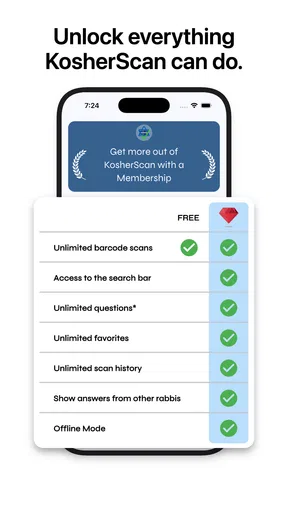
The app is free to download, so it is easy to try before deciding whether it belongs in your shopping routine. It also has in-app purchases, with listed items ranging from $5.49 to $54.99. That is a broad range, so I would check the purchase screen carefully before paying and decide whether the particular paid option solves a real need for me. I would not assume that every useful function requires payment, or that every purchase is necessary just because the app offers one.
That distinction matters for a shopping tool: the basic idea is easy to evaluate in a real store without committing money upfront. If I only need occasional help checking unfamiliar barcodes, free access may be enough to judge whether the app suits me. If I am considering a purchase, I would first identify what it unlocks and how often I expect to use it; the price alone does not tell me whether it will be worthwhile for my habits.
Where it can earn a place in my routine
A barcode lookup is most valuable when a product is new to me, the packaging has changed, or I am comparing several similar choices. Instead of relying on memory, I can check the item while I am holding it. That can make a busy shopping trip less awkward, particularly when I am buying for someone else and want to avoid guessing about their dietary requirements.
The app’s identity is unusually specific for shopping software. KosherScan is a shopping app from Ephraim Hammer, with an average rating of 4.4 from around 1,300 ratings and over 50,000 installs. It is free to download, carries a Teen age rating, and its current version is 1.9.7. Those figures suggest that it has found a focused audience, but popularity is not the same as a guarantee that a particular product result matches your own practice.
Who should use it—and who may prefer another route
I can see it helping people who keep kosher and want a quick way to investigate packaged goods, as well as learners who are still getting familiar with product labels. It may also be useful for a household member who does not do the main grocery shopping but wants a straightforward way to check an item before buying it.
On the other hand, shoppers who already rely on a rabbi, a trusted certification guide, or a familiar set of brands may not need another step for everyday staples. Anyone who expects a scanner to settle every complicated question automatically should be cautious: kosher decisions can depend on details that a barcode lookup cannot make obvious. In those situations, asking a knowledgeable authority is the better choice.
Getting Started with KosherScan
First things first, downloading KosherScan was a breeze. Available on both Android and iOS, it’s just a quick search in the app store away. Once installed, you’re greeted with a clean and intuitive interface, which makes the initial setup straightforward. The app doesn’t bombard you with too many questions, just the essentials to get started on your kosher journey.
Features That Stand Out
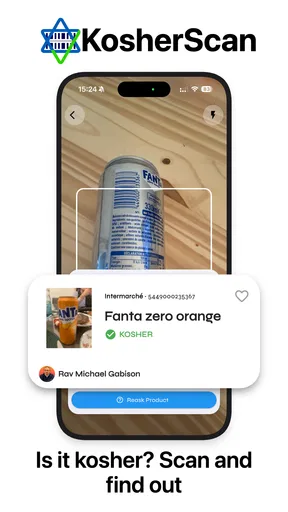
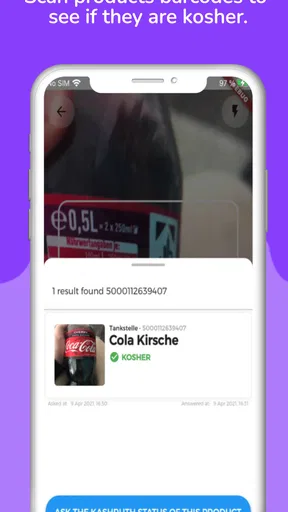
The app’s core feature is its barcode scanner. You simply point your phone at the product’s barcode and voilà, it tells you whether it’s kosher or not. This is a lifesaver, especially in supermarkets with a plethora of options. I was impressed by how fast and accurate it was, making those grocery runs much more efficient.
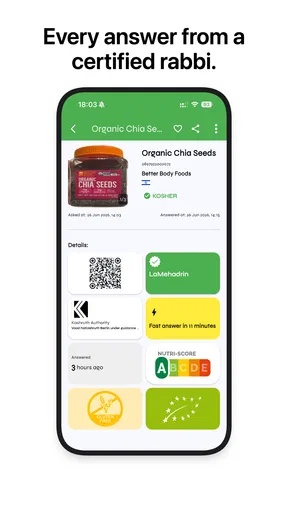
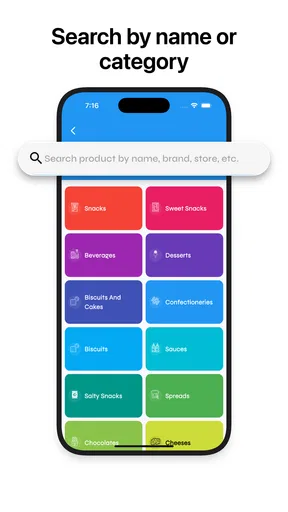
Beyond the scanner, KosherScan also offers a comprehensive database. If you’re old school and prefer typing in product names, this feature is for you. It also includes detailed information about kosher certifications, which is super helpful if you’re still learning what all those symbols mean.
User Experience
The app is designed with users in mind. Navigation is smooth, and the app doesn’t lag, even when scanning multiple items. The design is minimalist but effective, focusing on usability rather than flashy graphics. I found myself appreciating the simplicity, which allows you to focus on what really matters – the kosher status of your food.
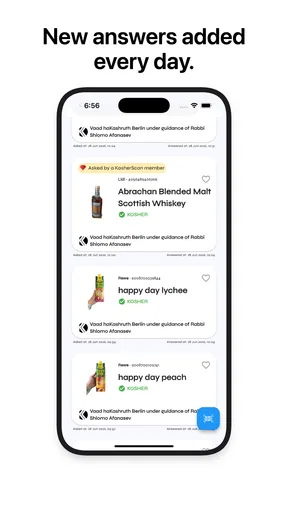
There's also a feature that allows you to save your favorite products, making future shopping trips even more convenient. This is perfect for those staple items you buy regularly. Plus, the app provides updates on new kosher products, keeping you informed about the latest options available.
Enhancing Your Kosher Lifestyle
One of the standout elements of KosherScan is its commitment to education. The app includes a section dedicated to explaining kosher laws and dietary practices, which I found to be a valuable resource. Whether you’re new to keeping kosher or just need a refresher, these insights are a nice touch.
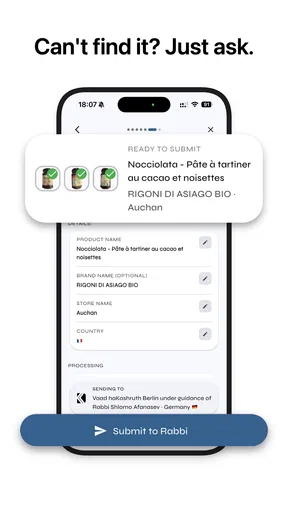
The app also has a community aspect. Users can contribute by submitting products they find in stores, which gets added to the database after verification. This feature fosters a sense of community and shared knowledge, making it more than just a tool but a collaborative effort to maintain kosher standards.
Using it thoughtfully in a real shopping trip
Imagine I am picking up snacks for a family gathering and see an unfamiliar brand beside a product I already know. I can scan the new item instead of making a rushed assumption from its front-of-pack claims. If the result raises a question, I can pause and ask my rabbi rather than treating the screen as the final word. That workflow is more useful than scanning everything indiscriminately: it saves attention for the items where I genuinely lack confidence.
A second practical habit is to use favorites for products I repeatedly buy, then still check a package when something about it has changed or I am unsure. A saved item can make repeat shopping quicker, but it should not become a reason to ignore a new label or a change in the product itself. I find that balance sensible: let the app reduce repetitive searching while keeping my own attention on the item in front of me.
What a barcode can—and cannot—settle
A barcode is a convenient way to identify a packaged product, but the question a shopper cares about may involve more than the name on the package. Product variations, certification details, and the standards a household follows can all matter. So I would read the result as a starting point for a decision, not a universal ruling. When the answer is unclear or the consequences matter to someone else, checking with a rabbi is a more responsible next step.
That is also why I would not judge the app solely by whether it can answer every scan. The useful test is whether it helps me find relevant information quickly and recognize when I need additional guidance. For a learner, its explanations of certifications and kosher practice can make a label less mysterious over time. For an experienced shopper, the value may be narrower: a quick reference for unfamiliar products rather than a replacement for established knowledge.
How it differs from ordinary shopping tools
Most shopping apps are built around prices, lists, store offers, or product discovery. KosherScan is more focused: its reason to be on my phone is checking kosher suitability and learning about the symbols and practices connected with that choice. A general web search can sometimes surface a product page or a certification image, but it may require more manual comparison and does not provide the same purpose-built scanning workflow. Conversely, a trusted rabbi or established certification reference remains preferable when I need authoritative interpretation rather than a convenient lookup.
I would not install it expecting grocery delivery, price comparisons, or a complete shopping planner. Its focused scope is an advantage if kosher checks are the main problem I want to solve, but a limitation if I want one app to manage the entire trip. I also would not assume that an unfamiliar item will always produce a decisive answer; the sensible approach is to use the scan, then follow up where the result leaves room for judgment.
Making the most of the lookup
For a clean test, I would begin with a product I know well, then try a less familiar one. That gives me a feel for the kind of information the app returns without putting an important purchase entirely in its hands. If scanning is inconvenient in a crowded aisle, typing a product name is another route described in the app, though careful matching matters when names are similar. Checking the package alongside the result can help me notice whether I have the exact variant rather than a related product.
For someone learning, I would treat each lookup as a chance to connect a certification symbol with the explanation provided, rather than simply memorizing a green-light or no-go result. For a household shopper, I would ask the person I am buying for which standards they follow before relying on any quick check. These small steps make the app more useful because they address the real source of uncertainty: not just finding a product, but knowing whether the answer applies to the person who will eat it.
When I would choose another source
If I am handling a sensitive or unusual dietary question, I would go directly to a rabbi or a trusted certification source. An app is convenient for ordinary browsing, but convenience should not flatten differences in personal practice or turn a database entry into an authority it is not. Likewise, if my shopping needs are mostly about finding discounts or organizing a list, a conventional shopping app is a better fit. KosherScan makes the most sense when kosher product checks are frequent enough to justify a dedicated tool.
I would also keep my expectations grounded about community contributions. Shared product submissions can help broaden what shoppers find, but community participation does not mean I should skip verification or stop checking the exact package. The strongest routine combines the app’s speed with the shopper’s judgment: scan when it helps, use the educational material to understand what you are seeing, and seek human guidance when the answer has real nuance.
Final Thoughts
In a world where apps can often feel overcomplicated, KosherScan is a refreshing change. It’s practical, user-friendly, and genuinely helpful. For anyone who follows kosher dietary laws, this app is a game-changer. It takes the stress out of shopping and turns it into a simple, enjoyable process.
Whether you're a seasoned kosher keeper or just starting out, KosherScan is worth having in your app arsenal. It’s like having a kosher expert right in your pocket, ready to assist at any time. So next time you’re in the grocery aisle, give it a try – you might just find it becomes your new best friend in the kitchen.
My buy-or-skip verdict
I would try it if barcode checks and kosher learning are regular parts of my shopping, especially because I can start without paying to download it. I would hold off on any in-app purchase until I have seen exactly what that option provides and know I will use it; the listed purchase range by itself is not enough to judge the value. If I already have a reliable system for familiar products, I would keep this as an occasional reference rather than add it to every trip.
Overall, I see KosherScan as a focused helper, not a substitute for personal standards or expert advice. Its best value is in the moment when a product is unfamiliar and I want a quicker, more informed next step. If that situation comes up often for you, it is worth trying. If you need a broader shopping toolkit or definitive answers to complex questions, I would choose another resource for those jobs.
Verdict
Strengths of KosherScan
- Comprehensive database of kosher products.
- User-friendly interface for easy navigation.
- Frequent updates ensure current information.
- Barcode scanner for quick product checks.
- Offline access to saved product info.
Limitations of KosherScan
- Limited product database outside major cities.
- Scanner occasionally misreads barcodes.
- Ads can be intrusive during use.
- Requires internet for database updates.
- Some features locked behind a paywall.
Similar Picks in This Category
View All
SHEIN-Shopping Online
Roadget Business PTE. LTD.4.8

Amazon Shopping
Amazon Mobile LLC4.4


Mercado Libre: Compras online
Mercado Libre4.8

Wish: Shop and Save
Wish US Holdings LLC4.7

Alibaba.com - B2B marketplace
Alibaba Mobile4.4
Frequently Asked Questions
What is KosherScan and how does it work?
KosherScan is an app designed to help users quickly identify whether food products are kosher. By scanning barcodes on packaging, the app cross-references a vast database of kosher certifications. This provides users with instant information about the kosher status of various items, making it easier to shop according to dietary laws.
Is KosherScan available for both Android and iOS devices?
Yes, KosherScan is available for download on both Android and iOS platforms. Users can find it in the Google Play Store and the Apple App Store, ensuring accessibility for a wide range of smartphone users. Make sure your device meets the minimum system requirements for optimal performance.
Does KosherScan require an internet connection to function?
KosherScan primarily requires an internet connection to access the most up-to-date database of kosher certifications. This ensures that the information provided is current and accurate. However, some basic features may be available offline, but it's recommended to be connected for full functionality.
Are there any in-app purchases or subscriptions required to use KosherScan?
While KosherScan is free to download, it may offer in-app purchases or subscriptions for accessing premium features or an ad-free experience. Check the app’s description in the store for detailed information about pricing and available packages, ensuring you choose the option that best suits your needs.
How reliable is the information provided by KosherScan?
KosherScan relies on a comprehensive database maintained by experts in kosher certification. While they strive to keep the information accurate and up-to-date, users should verify critical details with local authorities or certifications. This is especially important for those with strict dietary adherence.
